

The Power of Narrative: Storytelling as Critical Pedagogy in Contemporary Classrooms
Since time immemorial, storytelling has been viewed as powerful platform for the transmission of cultural heritage, and human values. In contemporary classroom discourses, storytelling is emerging as a critical pedagogical tool due to the inherent nature of narratives embedded communication style, aesthetic appeal and emotional connect capable of engaging humans with reality at a deeper level. National Education Policy 2020 places a significant importance to creating student centric learning experiences through enquiry based pedagogical approaches. It specifically recognized the immense potential of story-telling and narrative based instructions as the core pillars of effective learning across all the age groups. The very core of critical pedagogy intends to transform the education system from banking concept to experience oriented enquiry driven process. It is a creative and meaning making process where in the learners weave together the threads of experiences to form a holistic sense of their experiences. Story-telling perfectly captures this essence of human centered learning where the concepts are embedded within a narratives and learners actively engage with context, dilemmas and conflicting realities instead of simply absorbing facts. They analyze multiple perspectives and critically examine their own value prepositions through reflection and dialogue. It also plays an important role in addressing the affective domain of learning by nurturing a sense of empathy and resilience as students get an exposure of diverse point of views and historical context. In a multi-cultural Indian context, story- telling as pedagogy holds a critical relevance as it connects the learners with rich cultural heritage of India through folk tales, scriptures with indigenous knowledge base. For the effective integration of story telling as part of the pedagogical process, the role of teachers becomes extremely relevant. As narrative pedagogy seeks to create open and safe space for learners, theteacher also needs to nurture the epistemological assumption of learning as a lifelong journey of discovery and exploration of one’s identity in larger social canvas.

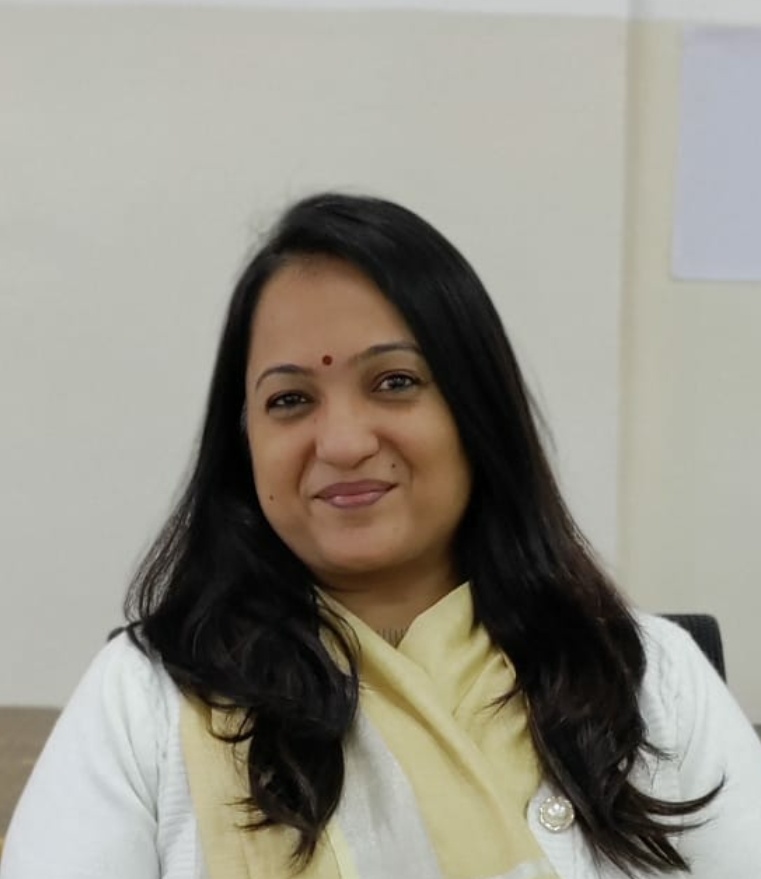
Dr. Savita Sharma works as Associate Professor at School of Education and Humanities, Manav Rachna University, Faridabad. She has been selected as the member of the state focused group by NCERT. She has also been selected as expert reviewer for the manual on Sports Integrated Education developed by SCERT- Delhi. She has also developed the Online Course ‘Nurturing Mindfulness in Educators and Learners’ at Mookit platform (IIT Kanpur) and two MOOCs under UNESCO’s Open Education for Better World Initiative wherein she has been selected four times as a mentor. For the year 2025 and 2026, she has also been selected as Hub -Coordinator for the same initiative.


Comments